On GPT Engineering
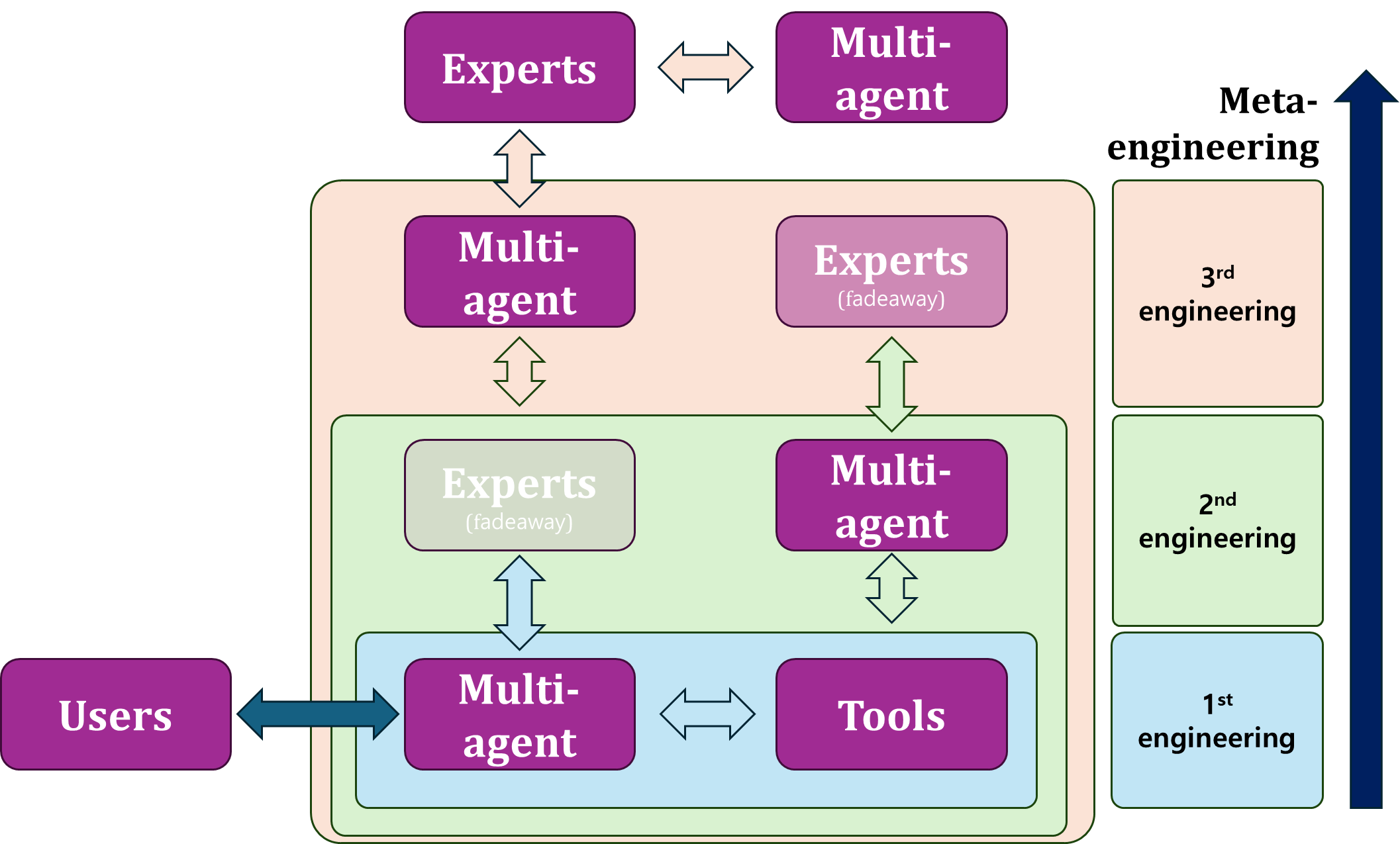
GPT has already learned a significant amount of basic information and knowledge in engineering — more than expected. GPT will continue to learn new information and knowledge in engineering. GPT understands the context of engineering tools and can autonomously execute, analyze, summarize, and visualize tasks based on user prompts. Experts will continuously provide GPT with data, information, and knowledge. How? An ontological approach is needed. Experts will provide GPT systems with existing tools developed by researchers and professionals. Tools can act as a bridge in a black-box form between experts and GPT. However, GPT will gradually start programming tools by itself and autonomously assign them (upon expert request). Based on existing knowledge and observations (measurements or analyses) from the target (urban/building/product/project/system), GPT can provide more sophisticated decision-making support. Bayesian approach, perhaps? Even with a large language model (LLM), it cannot work alone. A multi-GPT agent approach is needed. Depending on tasks within the process, the structure, the purpose, and the service, the same, similar, or different GPT agents can collaborate. GPT collaboration can take various forms — centralized, distributed, cooperative, or even competitive. Experts will want to assign and optimize GPT agents. In this process, experts will receive assistance from GPT. Ultimately, GPT will enter a meta-process of modeling and optimizing a multi-agent system: Meta-engineering.